The Vegetable Is the Headliner: India’s Meatless Mains Are Built, Not Substituted
At many Indian restaurants in the US, the vegetarian section can feel like a polite afterthought: paneer tikka, saag paneer, maybe a plain dal. Those dishes are fine. But they are not the whole story. Across India, meatless cooking is not a compromise or a stand-in for something better. It is a full cuisine with its own architecture—layered spice, deliberate texture, and regional pride. The vegetable is the headliner.
That distinction matters when you sit down to order. A satisfying vegetarian Indian meal is not about finding the closest thing to chicken. It is about choosing dishes built to carry a plate on their own: something bitter-sweet, something soft and coconutty, something tangy and thick, something crisp or chewy to keep your teeth interested. Once you see that pattern, the meatless side of the menu stops looking like a sidebar and starts looking like a tour.
Vegetarian Cooking That Starts With Flavor, Not Absence
Indian vegetarian mains rarely rely on meat substitutes. Instead, cooks layer whole spices in hot fat, bloom ground masalas at the right moment, and use ingredients like yogurt, tamarind, coconut, mustard seeds, curry leaves, and besan to create depth. Texture does as much work as flavor. A dish might be creamy, grainy, crisp, soft, or pleasantly bitter—sometimes all in one meal.
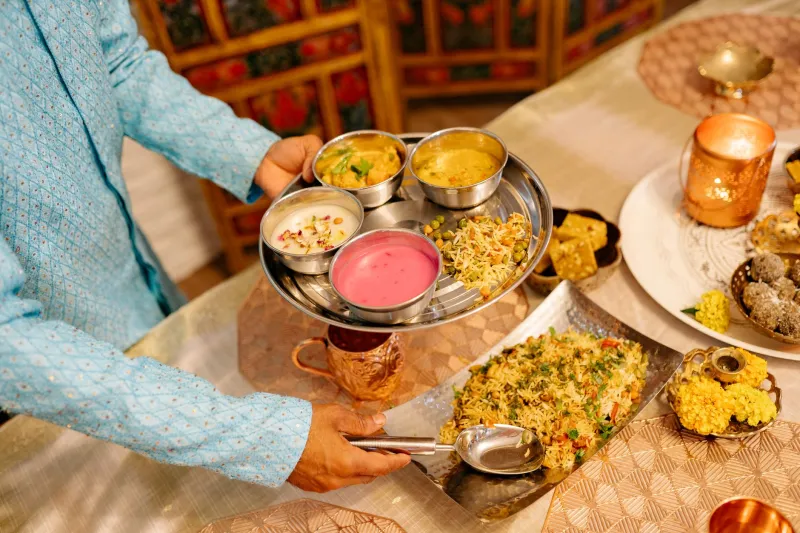
This is why a good vegetarian thali does not feel like a plate of side dishes. Each bowl has a job. One brings heat, one brings tang, one cools, one adds crunch. The same logic applies when you order à la carte. If you pick three creamy, mild dishes, the meal can feel flat. If you pick one tangy kadhi, one vegetable with bite, and one coconut-based kootu, the plate wakes up.
Bengal: Shukto and the Art of Bitter-Sweet Balance
Bengali shukto is a useful starting point because it refuses to flatter. It is often built with bitter gourd, plantain, sweet potato, drumstick, and sometimes bori—sun-dried lentil dumplings—in a mild milk or coconut-enriched gravy. The spice level is low, but the flavor is not simple. There is bitterness, sweetness, and a gentle funk from panch phoron, Bengal’s five-spice blend of cumin, fennel, fenugreek, nigella, and mustard seeds.
For American diners used to vegetarian food that announces itself with heat, shukto can seem quiet at first. Keep eating. The bitterness cleans the palate, the sweetness rounds it out, and the vegetables each hold their shape. It is a main dish in the sense that it sets the tone for the meal. Pair it with rice and something fried, and you have a Bengali-style vegetarian lunch that feels complete without a protein centerpiece.
Gujarat: Undhiyu and the Power of Assembly
Undhiyu is a Gujarati winter favorite, and it is less a recipe than a project. Traditionally, it brings together green beans, eggplant, potatoes, sweet potatoes, and muthiya—small steamed or fried dumplings made from fenugreek-flecked dough—in a spiced oil-rich gravy. The name is linked to the Gujarati word for upside down, a nod to the old clay-pot cooking method. In home kitchens and restaurant versions, the point is the same: many textures, one deeply savory whole.
Undhiyu is a good reminder that vegetarian Indian food is not always light. It can be rich, oily, and intensely seasoned. Order it when you want something that eats like a celebration dish. At Darbar, if undhiyu appears on a seasonal or regional menu, treat it as a shared centerpiece rather than a small side. Scoop it with rotli or puri, and let the sweet potato and dumplings do the heavy lifting.
Tamil Nadu: Kootu and the Case for Soft Texture
Tamil kootu is a quiet powerhouse. It usually combines vegetables—cabbage, chayote, spinach, or snake gourd—with cooked lentils and a fresh coconut paste, then finishes with a mustard-seed and curry-leaf tadka. The result is soft, spoonable, and deeply comforting, but it is not bland. Black pepper, cumin, and coconut give it a savory backbone.
Kootu is the dish to order when you want something that wraps around rice instead of sitting on top of it. It also proves a useful point: vegetarian mains do not need to be firm or meaty to satisfy. Softness is a texture, not a failure. With a crisp papad or a crunchy poriyal on the side, kootu becomes a balanced meal rather than a porridge-like afterthought.
Punjab: Kadhi and the Comfort of Tang
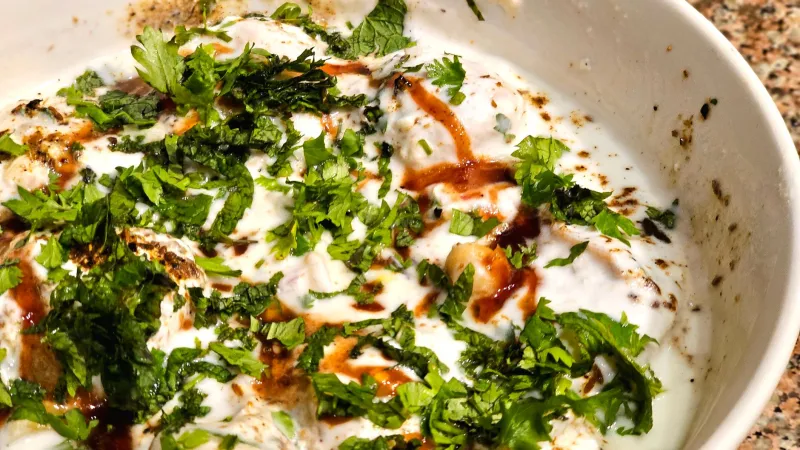
Punjabi kadhi is yogurt and besan cooked slowly into a thick, tangy gravy, often with pakoras—fritters made from chickpea flour and onions—floating in it. It is sour, savory, and faintly sweet from the onions, with a tempering of cumin, fenugreek, and dried red chile. Served with rice, it is one of the great meatless comfort foods of northern India.
The appeal for US diners is obvious: it is creamy without cream, tangy without vinegar, and hearty without meat. Order kadhi when you want something that feels like a stew. Ask for it with rice rather than assuming it comes with bread. The combination of tangy gravy and fluffy rice is the point.
How to Order a Vegetarian Meal at Darbar
At Darbar Indian Cuisine, start by thinking in textures rather than protein. Choose one soft, saucy dish—kadhi, kootu, or dal—and one drier vegetable with some bite. Add something tangy, like a pickle or a chutney, and something crisp, like papad or a fried snack. If you are sharing, order across regions instead of stacking three paneer dishes. A Bengali-style bitter-sweet vegetable, a Gujarati-style mixed vegetable, and a Tamil-style lentil-vegetable kootu will teach you more about India than any single dish.
Ask what is seasonal. Ask which dishes are meant to be eaten with rice and which with bread. Ask for a recommendation based on how you like to eat—soupy, dry, tangy, or mild. Indian vegetarian cooking is not a monolith, and a good server can steer you toward the dishes that fit your table.
Build a Meatless Main at Home
You do not need a restaurant to eat this way. Start with a simple tadka: heat oil or ghee, add mustard seeds or cumin, then curry leaves, dried chile, and a pinch of asafetida. Pour that over cooked lentils or a tender vegetable. Add coconut paste for a southern feel, yogurt and besan for a northern tang, or panch phoron for a Bengali accent. The goal is not to mimic meat. The goal is to make the vegetable taste like it belongs exactly where it is.
That is the real lesson of India’s vegetarian mains. They are not waiting for meat to make them complete. They are complete already—layered, regional, and built to be the center of the plate.