Morning Cartography: Five Indian Breakfasts That Map the Subcontinent Before Noon
American breakfast usually asks you to pick a lane: sweet or savory, quick or sit-down, cereal or eggs. India rarely bothers with that division. A morning plate in Mumbai can be tangy and crunchy; in Chennai it can be soft, hot, and spoonable; in Kerala it can arrive as steamed cylinders of rice and coconut. Same country, completely different wake-up call.
That variety is the point. Indian breakfasts are regional, seasonal, and built around what cooks can get done before the day gets loud. The good news for US cooks in 2026 is that most of the key ingredients are no longer exotic. Flat rice, semolina, rice flour, gram flour, and whole wheat dough are all within reach, whether you shop at an Indian grocery, a well-stocked supermarket, or online.
Here are five breakfasts worth learning, not as museum pieces but as practical morning food. Each one gives you a different map of India before noon.
Poha: Maharashtra's Golden Fluff
Poha is flattened rice, and in Maharashtra it is breakfast, snack, and comfort food all at once. The rice flakes are rinsed briefly, drained, and then tossed in a hot pan with mustard seeds, cumin, curry leaves, onion, turmeric, and peanuts. The flakes soften without turning to paste. A squeeze of lemon and a handful of crunchy sev go on at the end.
The result is light but savory, with a little tang and a lot of texture. It is also fast enough for a weekday if you keep thick poha in the pantry. Thin poha exists too, but thick poha holds up better in the pan. Rinse it in a colander, let it sit just until pliable, and do not soak it. If you cannot find curry leaves, the dish still works; add a little fresh cilantro at the end for a green note.
US supermarket move: look for poha in the Indian aisle or buy it online. Peanuts, onion, turmeric, and lemon are ordinary. Frozen grated coconut is optional, not required. If you like heat, add a chopped green chile with the onion.
Upma: South India's Semolina Skillet
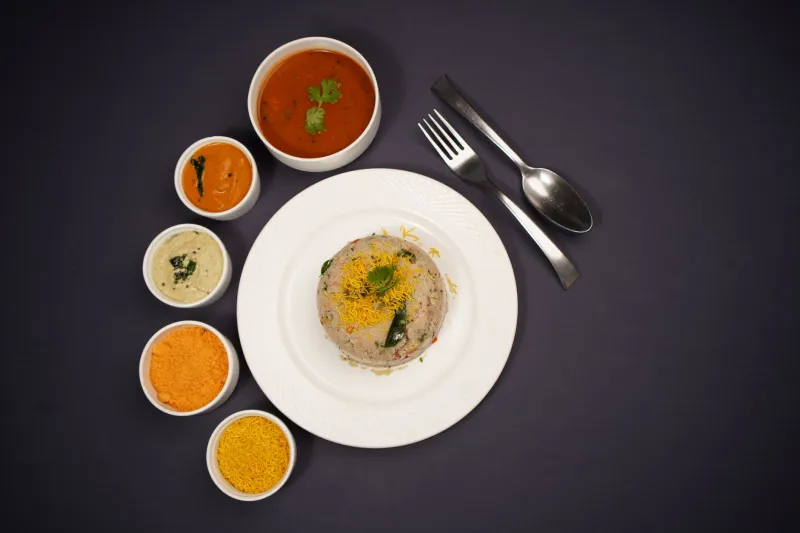
Upma has a reputation problem among people who have only met bad versions. Good upma is nutty, fluffy, and fragrant, not pasty. The trick is dry-roasting semolina before cooking it, then adding it to a pan with a tadka of mustard seeds, urad dal, cashews, ginger, green chile, and vegetables. Water goes in, the semolina goes back in, and you stir until it thickens.
South Indian households make upma with coarse semolina, sometimes called rava. Cream of Wheat is not the same thing, though it can rescue a craving in a pinch. Coarse semolina gives the dish its distinct grainy bite. Add peas, carrots, or chopped beans if you want a fuller plate. A spoon of ghee at the end is not optional in my book.
US supermarket move: coarse semolina is often sold as rava or sooji in Indian groceries. Cashews and urad dal are easy to find. If you already have a bag of frozen mixed vegetables, use them. Upma is forgiving, but it does not like to sit; serve it hot.
Puttu: Kerala's Steam-Cooked Layers
Puttu looks simple and behaves like a small engineering project the first time you make it. Rice flour is mixed with water and salt until it feels like damp sand, then layered with grated coconut in a cylindrical steamer. The steam cooks the flour into soft, crumbly layers that hold together on the plate but break apart under a spoon.
In Kerala, puttu is often eaten with kadala curry, a black chickpea curry, or with banana and a little sugar. For a US kitchen, start with puttu flour, which is sold specifically for this purpose. A dedicated puttu maker helps, but a steamer basket lined with cheesecloth can work if you are patient. The coconut should be unsweetened. The water should be added gradually; too much and the flour clumps, too little and it stays powdery.
US supermarket move: frozen grated coconut is a good shortcut. Puttu flour is available online and at Indian groceries. If you are new to the dish, make it on a weekend morning first. It is not difficult, but it rewards attention.
Aloo Paratha: Punjab's Stuffed Griddle Bread
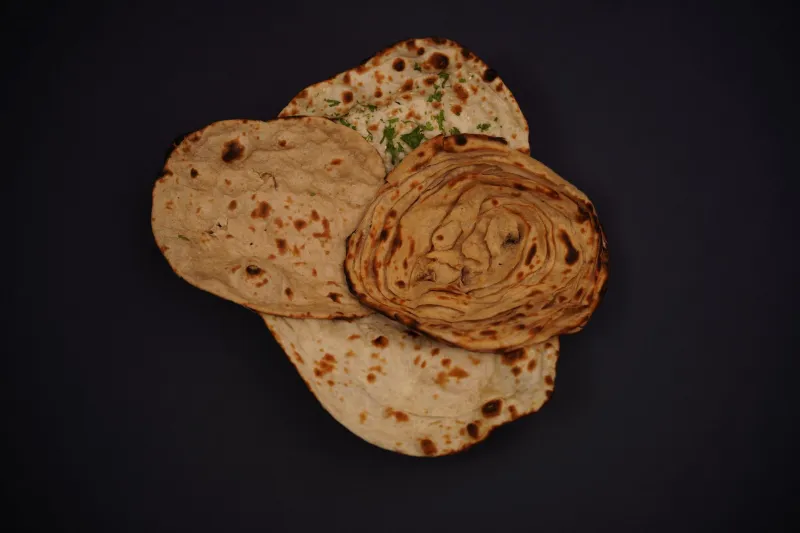
Aloo paratha is the breakfast that answers the question of whether you can eat a potato and a wheat flatbread and feel virtuous. The dough is whole wheat, the filling is spiced mashed potato, and the whole thing is rolled thin and cooked on a hot griddle until it blisters. Ghee or oil goes on at the end.
The filling is where you make it yours: cumin, coriander, green chile, ginger, and a little amchur or lemon juice. Leftover mashed potatoes work beautifully, as long as they are not already loaded with butter and cream. The rolling takes practice. If the filling spills, patch it and keep going. Serve with yogurt and pickle, or roll it up like a wrap for the road.
US supermarket move: whole wheat flour, potatoes, and spices are easy. Amchur is nice but lemon juice is fine. A cast-iron skillet gives you the best browning. If you have a tortilla press, it can help flatten the dough, but a rolling pin is more traditional and more controllable.
Dhokla: Gujarat's Steamed Savory Cake
Dhokla is a steamed cake made from gram flour and yogurt, and it is one of the great proof points that breakfast does not have to be heavy to be satisfying. The batter is fermented or quickened with fruit salt, poured into a greased pan, and steamed until springy. A tempering of mustard seeds, sesame seeds, green chile, and curry leaves goes over the top, followed by a little sugar and lemon.
The texture is somewhere between sponge and custard, in a good way. It is tangy, light, and excellent with chai. US cooks can make the instant version with besan, yogurt, water, and Eno fruit salt. Do not skip the tempering; it is the difference between plain steamed batter and actual dhokla.
US supermarket move: besan and Eno are common in Indian groceries and online. A bamboo steamer or a covered saucepan with a rack works. Cut it into squares and eat warm or at room temperature.
Making the Map Work in Your Kitchen
You do not need to cook all five in one week. Start with poha and upma, which are the most forgiving for a busy morning. Add parathas on a Sunday when you have time to roll. Save puttu and dhokla for a weekend project, then keep the leftovers for a second breakfast.
The pantry list is short: thick poha, coarse semolina, whole wheat flour, besan, rice flour or puttu flour, mustard seeds, cumin, turmeric, dried red chile, curry leaves if you can get them, and unsweetened grated coconut. Everything else is fresh or already in your fridge.
And if you would rather taste before you cook, that is a fair way to learn the map too. Regional Indian breakfasts are a reminder that the first meal of the day is not a footnote in Indian cooking. It is one of the clearest ways to understand the country, one plate at a time.