Small Bowls, Big Clues: How Chutneys Reveal India's Regional Kitchens
The First Clue Arrives in a Small Bowl
At many Indian restaurants, the meal begins with a quiet lineup: a bright green chutney, a glossy brown one, maybe something pale and coconut-rich. They look like supporting players. They are not. In regional Indian cooking, chutneys are often the most direct signal of what a kitchen values—fresh herbs, tart fruit, toasted nuts, coconut, garlic, chilies, or a little sweetness. Before the curry arrives, the condiments have already told you something about where the recipe comes from and how the rest of the meal wants to be eaten.
That makes chutneys a practical entry point for US diners who want to explore regional Indian menus without turning dinner into a research project. You do not need to memorize a map. You just need to taste a few small bowls and notice what each one is doing.
Start With the Bowl, Not the Entree
A useful habit: treat the chutney tray like a preview, not an afterthought. Take a small taste of each chutney on its own. Is it herbal and sharp? Sweet and sour? Nutty and dense? Coconutty and cooling? Each profile points toward a different regional pantry and a different set of dishes.
This is especially helpful at restaurants that serve broadly regional menus. A coconut chutney sitting next to dosa says something different from a garlic chutney served with vada pav. A mint-cilantro chutney beside tandoori chicken is not the same condiment as a tamarind chutney drizzled over chaat. The bowl is a clue, and the pairing is the rest of the sentence.
Green Chutney: Fresh, Sharp, and Built for Fried Things
The familiar green chutney—usually mint, cilantro, green chili, lemon or lime, and sometimes yogurt—shows up across northern and central India in many forms. It is fresh, grassy, and often quite sharp. Some versions are thin enough to spoon; others are thick enough to cling to a pakora.
This is the chutney to reach for when the food is fried, grilled, or smoky. Samosas, pakoras, tandoori chicken, seekh kebab, and grilled vegetables all benefit from that herbal cut. The acid and chili wake up the palate, while the herbs keep the whole bite from feeling heavy. If you are ordering a platter for the table, ask for an extra bowl. Green chutney disappears quickly.
For home cooks, this is also one of the easiest chutneys to understand. It is less about a secret ingredient than balance: enough chili to be noticed, enough acid to stay bright, and enough herb flavor to taste fresh rather than merely green.
Tamarind Chutney: The Sweet-Sour Compass
Tamarind chutney, often dark brown and glossy, is the sweet-sour workhorse of Indian snack food. It is commonly made with tamarind pulp, jaggery or sugar, and spices such as cumin, ginger, or chili. In the US, you may see it labeled tamarind-date chutney or simply sweet chutney.
Its natural home is chaat: samosa chaat, aloo tikki, papdi chaat, and other snack plates where crunch, cool yogurt, and tangy tamarind meet. But it also works beautifully with kebabs and grilled meats, especially when the spice mix is warm and earthy. A little tamarind chutney adds a sweet-sour edge that feels almost like a glaze.
When you taste it, pay attention to the balance. Good tamarind chutney should not be cloying. The sourness should come through, and the sweetness should support it rather than cover it. If a menu offers both green chutney and tamarind chutney, try them together on the same bite. The herbal heat and the sweet-sour fruitiness are a classic pairing for a reason.
Coconut Chutney: A Coastal South Indian Signature
Coconut chutney is one of the clearest regional markers on an Indian menu. It is closely associated with South India, especially Karnataka, Kerala, Tamil Nadu, and Andhra Pradesh, where it is served with dosa, idli, vada, and other fermented rice and lentil dishes.
The base is fresh coconut, usually ground with green chili, ginger, and salt. Some versions include roasted chana dal for body, yogurt for tang, or a tempering of mustard seeds and curry leaves in hot oil. The result can be cooling, creamy, and gently spicy—a soft landing for crisp dosa or pillowy idli.
If you see coconut chutney on the menu, it is a good excuse to order a South Indian specialty rather than defaulting to the same curry you always get. The chutney is not just a dip; it is part of the architecture of the meal. It cools, moistens, and adds a fresh coconut note that balances the fermented tang of the dosa batter.
Garlic and Peanut Chutneys: The Deccan's Punch
Not every chutney is cooling or herbaceous. In parts of western and central India, chutneys can be bold, dry, and intensely savory. Dry garlic chutney, often made with garlic, red chili, and sometimes sesame or coconut, is a powerful accompaniment to street foods such as vada pav. Peanut chutney, common in Maharashtra and neighboring regions, brings a toasted, nutty richness that can be coarse or smooth depending on the cook.
These chutneys are a reminder that Indian condiments are not all wet and spoonable. Some are sprinkled, smeared, or served in small amounts because a little goes a long way. If a menu mentions garlic chutney or peanut chutney, consider ordering a dish with sturdy bread, fried snacks, or a robust vegetarian plate. The chutney can handle the weight.
Onion and Tomato Relishes: Everyday North Indian Flavor
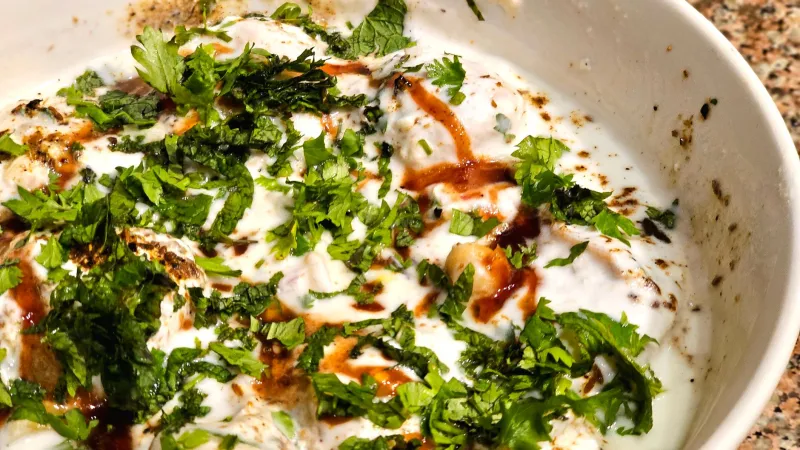
Alongside the more famous chutneys, many North Indian meals include simple relishes: sliced onion with lemon and chaat masala, a quick tomato chutney, or a yogurt-based raita. These are less about regional flag-waving and more about everyday balance. They add crunch, acid, or coolness to rich curries and breads.
At a restaurant, do not ignore the onion salad or the small dish of raita. They are part of the intended eating experience. A bite of curry with rice, a torn piece of naan, and a sliver of onion is a different pleasure than curry alone. The condiment is doing the same job as a squeeze of lime or a spoonful of salsa: it keeps the meal lively.
How to Pair Chutneys Strategically
You do not need a formal chart, but a few guidelines help. Match fried or grilled foods with green herb chutney. Pair snack plates and kebabs with tamarind chutney. Order coconut chutney with dosa, idli, or vada. Reach for garlic or peanut chutney when the dish is hearty, starchy, or street-food inspired. Use onion relish and raita to cool and crunch through richer curries.
And when in doubt, ask. At Darbar Indian Cuisine, the small bowls are there to be used, not admired from a distance. A server can tell you which chutney is house-made, how spicy it is, and what it was designed to accompany. That conversation is often more useful than any online menu description.
Build a Little Chutney Flight at Home
You can practice this approach without leaving your kitchen. Order an extra side of chutneys with takeout, or buy two or three jars from an Indian grocery. Taste them side by side with plain rice, roti, grilled chicken, roasted cauliflower, or frozen samosas. Notice which combinations make you want another bite. That is the same instinct you use at a restaurant.
Chutneys are small, but they are not minor. They are a regional pantry in miniature: herbs, coconut, tamarind, garlic, peanuts, chili, and acid, all working together. Once you start reading those bowls, an Indian menu becomes less of a list and more of a map.