A Spoonful of Achar: How Indian Pickles Wake Up Everyday Meals
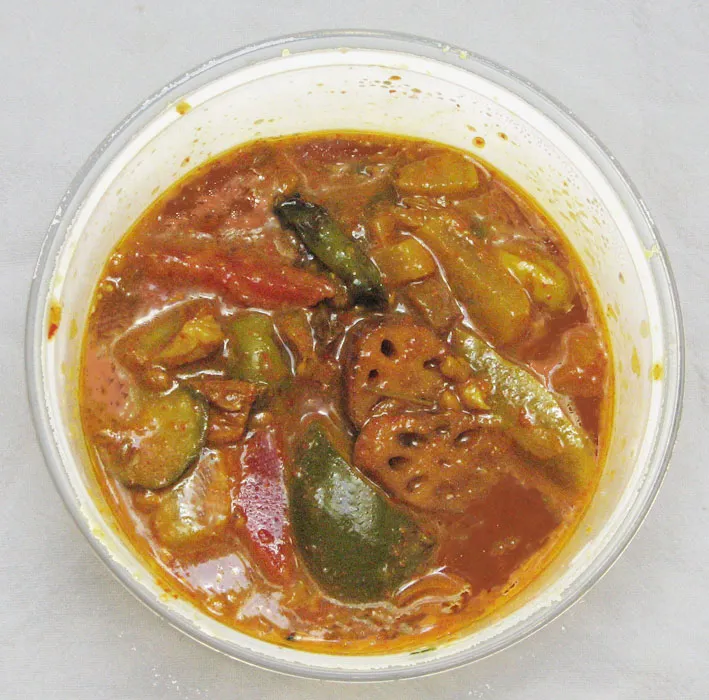
Photo: FiveRings at English Wikipedia, CC BY 3.0, via Wikimedia Commons
American pickles are usually cucumbers, vinegar, and crunch. Indian achar is a different idea entirely: fruit, vegetables, or chilies preserved with oil, salt, acid, and a frank amount of spice. It is not meant to be eaten by the bowl. It is a small, loud condiment that cuts richness, wakes up dal, and gives rice a reason to disappear. For US home cooks, a jar of achar is one of the fastest ways to make an everyday Indian meal feel regional and complete.
What Achar Actually Is
Achar, also spelled achaar, is the broad Indian term for pickles and preserves. The style changes by region and household. In the north, mango pickle often uses mustard oil, fenugreek, and fennel. In the south, sesame oil, curry leaves, asafetida, and dried chilies may take over. Gujarat has sweet-sour chundo, while Andhra-style mango pickle can be fierce with chili and mustard. Some pickles are oily and dense; others are salty, sour, or syrupy. The common thread is intensity: a little goes a long way.
Four Pickles to Know
- Mango achar: The gateway pickle for many US diners. Green mango gives tang and firm texture, while mustard oil and spices add a bitter, savory edge. It is excellent with dal and rice.
- Lime achar: Salty, sour, and deep. Lime pickles can be made with whole fruit or wedges, and they bring a citrus punch that works with grilled meats and simple rice.
- Chili achar: For heat lovers. Green or red chilies are packed with oil and spices, and the result is a concentrated burn that is best used sparingly.
- Mixed achar: A catch-all style with carrots, cauliflower, green beans, or other vegetables. It is crunchy, busy, and very useful on a plate with several dishes.
How to Shop in the US
You can find achar in Indian grocery stores, many larger Asian supermarkets, and online. Look for jars with recognizable ingredients and a good amount of oil or brine, depending on the style. Oil-based pickles may separate in the jar; that is normal. Follow the label for refrigeration after opening. If you are new to achar, buy a small jar first. A mango pickle and a lime pickle are a good starter pair, because one is tangy and one is bright and salty.
At the store, check the spice level if the label offers it. Some American-made Indian pickles are milder than traditional versions, which can be helpful for beginners. Avoid jars that taste flat or metallic; good achar should smell of spice, oil, and fruit or vegetable, not just salt.
How to Use It Without Overdoing It
Start with a teaspoon. Put it next to dal and rice, not on top of everything. Let each bite decide how much it needs. Achar is especially good with plain yogurt, paratha, roti, and grilled chicken or lamb. It can also lift a bowl of rice and beans, a fried egg, or a simple cheese sandwich. The oil from the jar is useful too: drizzle a little over warm rice or roasted vegetables.
For a quick dip, stir a spoonful of mango achar into plain yogurt or mayonnaise. For a dinner plate, set out small bowls of two different pickles so people can compare. At Darbar Indian Cuisine, we like achar as a table companion, not a centerpiece: it should make the main dish taste more like itself.
A Regional Clue on the Table
Pickle is also a regional clue. A mustard-oil mango pickle points toward northern or western India. A sesame-oil chili pickle with curry leaves suggests southern cooking. A sweet-sour chundo says Gujarat. When you see a pickle on an Indian menu in the US, it is often a small signal about the kitchen's regional leanings. Ask about it. A server who knows the pickle likely knows the rest of the menu too.
Achar is not a novelty. It is a pantry staple that has traveled from Indian home kitchens to American grocery shelves without losing its punch. Keep a jar in the fridge, use a clean dry spoon, and treat it like a seasoning rather than a side. A small spoonful can turn a plain bowl of dal into a meal with a sense of place.