Order the Bread, Learn the Region: A Practical Guide to Indian Flatbreads
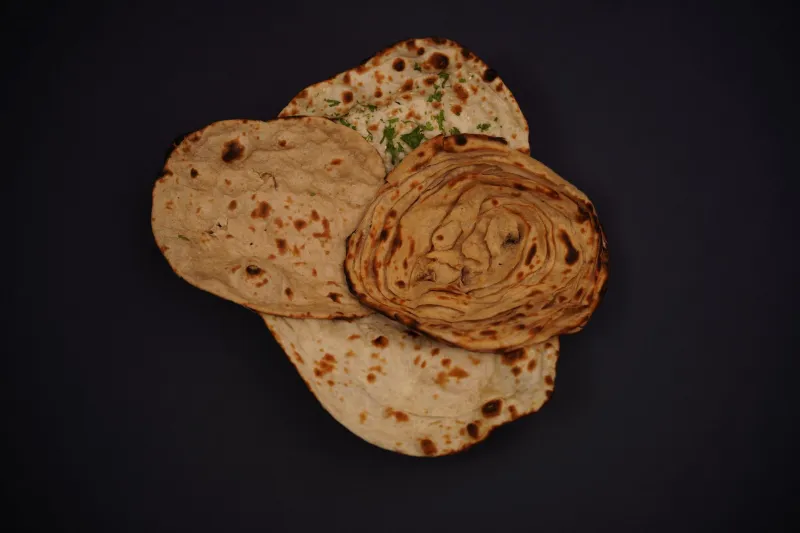
Walk into many Indian restaurants in the US and the bread basket arrives like a supporting actor: a stack of naan, maybe a few wedges of roti, and not much explanation. But in India, bread is not a generic side. It is a regional signature, a clue to the grains, cooking tools, and eating habits of a place. The bread you choose can change how a curry tastes, how a dal feels, and how a kebab is eaten. Treat the basket as a map, and ordering becomes more interesting.
Why Bread Changes Across India
India is a wheat-and-rice country, but the balance shifts dramatically. Wheat grows more readily in the north and west, so flatbreads are everyday food in Punjab, Delhi, Rajasthan, and Gujarat. Rice dominates much of the south and east, where breads often mean fermented batters, rice crepes, or special-occasion fried breads. That is why naan is not the default across the country. It is a restaurant and tandoor tradition with roots in the north, not a universal household staple.
The cooking method matters too. A tandoor, a clay oven, gives naan its blistered spot and chew. A flat griddle, or tawa, gives roti and paratha their homey, speckled surface. A pot of hot oil gives puri its puff. Each bread tells you something about the kitchen behind it.
A Short Field Guide to the Basket
- Naan: Soft, leavened, and usually baked against the wall of a tandoor. It is richer than everyday roti and pairs well with creamy, tomato-heavy curries. Garlic naan is popular in the US, but plain naan lets you taste the char.
- Roti or chapati: An unleavened whole-wheat flatbread cooked on a griddle. It is the quiet workhorse of northern Indian meals, flexible enough to scoop dal or wrap a dry vegetable.
- Paratha: A layered or stuffed flatbread, often cooked with ghee or oil. Plain paratha is flaky; stuffed versions may hold potato, cauliflower, radish, or paneer. It can be a side or a meal.
- Puri: A small, deep-fried bread that puffs into a crisp balloon. It shows up at celebrations and with dishes like chole, and it brings crunch rather than soak.
- Regional extras: In Maharashtra and Gujarat, you may meet bhakri, a rustic millet or sorghum flatbread. In Kerala and Tamil Nadu, parotta is a flaky layered bread served with curries. In Bengal, luchi is a delicate fried bread for festive meals. In the south, dosa and appam are breads in the broader sense, even if they are not wheat.
How Bread Changes the Meal
Think of bread as cutlery and sauce control. Naan is soft and absorbent, so it leans into rich gravies. Roti is lighter and more neutral, which makes it a better match for dal, dry sabzi, or grilled meats you want to taste clearly. Paratha has fat and flake, so it stands up to kebabs, raita, and pickle. Puri is crisp and airy, so it works best with something wet or chunky, like chickpea curry, and adds a festive crunch.
The same curry can feel different with a different bread. Butter chicken with naan is plush and restaurant-rich. The same curry with roti feels more everyday and lets the spice mix come forward. Dal with paratha tastes like comfort food; dal with puri turns into a celebration. That is the point: bread is not filler, it is a flavor and texture decision.
A Practical Ordering Guide for US Diners
If you are ordering at an Indian restaurant in the US, start by asking what is made in-house. A kitchen that bakes its own naan or rolls its own roti is telling you something. If the menu lists only naan, choose plain or butter naan for a creamy curry and skip the extra garlic if you want to taste the dish. If roti is available, order it with dal or a dry vegetable. If paratha is on the menu, try one stuffed paratha with raita and pickle as a small plate. If puri appears, treat it as a special-occasion bread and pair it with chole or a festive meal.
For a table of two, a good balance is one soft bread, one flat griddle bread, and one crunchy or stuffed bread. That gives you options without turning the meal into a bread buffet. At Darbar Indian Cuisine, we like to think of the bread basket as a conversation starter: ask which region the bread comes from, and the rest of the menu gets easier to read.
Home-Cook Notes
You do not need a tandoor to explore this at home. A cast-iron skillet or a heavy nonstick pan can cook roti and paratha well. Keep the pan hot, flour the dough lightly, and press roti against the pan so it puffs. Store-bought naan is fine for a weeknight; warm it directly on a dry skillet for a minute to bring back some softness. If you are making paratha, do not skimp on the resting time for the dough, and use enough oil or ghee to keep the layers separate.
One last tip: serve bread warm and in a basket or bowl, not stacked on a cold plate. Bread cools quickly, and a little warmth makes the texture feel intentional. Whether you are at a restaurant or at home, the bread basket is one of the clearest ways to read an Indian meal. Order with curiosity, and the curry will taste more complete.