Start with the Base: Five Indian Gravies That Do the Regional Talking
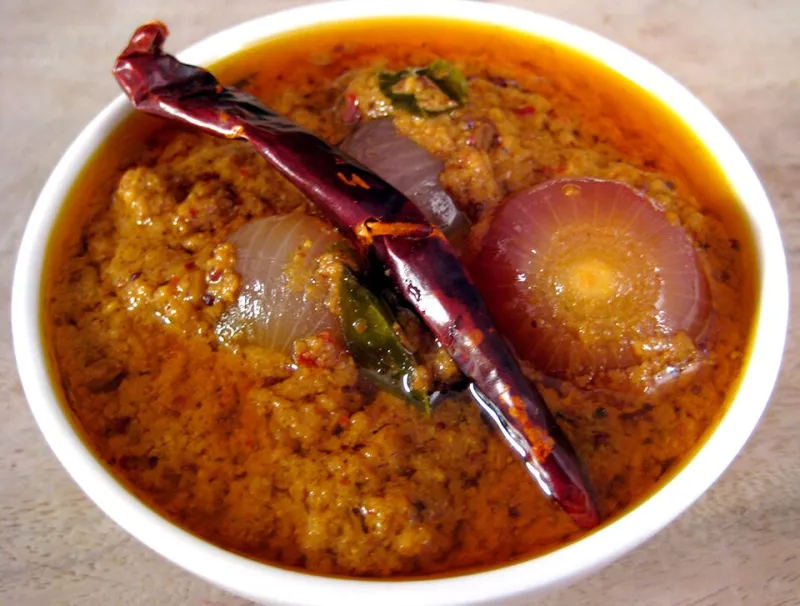
Photo: Sonia Goyal Jaipur, CC BY-SA 2.0, via Wikimedia Commons
At Darbar Indian Cuisine, we talk a lot about spice blends, but the real regional tell is often the gravy underneath. A base sauce is not just a carrier for protein or vegetables. It is the accent—the thing that makes a Punjabi dish taste brown and sturdy, a South Indian dish taste cool and nutty, a Bengali dish taste sharp and yellow. Learn five bases, and you can read a menu with more confidence and cook weeknight Indian food with less guesswork.
The Base Is the Accent
Think of a base gravy as the first sentence of a regional story. The spices that go in first, the texture you build, and the fat you finish with all point to a place. You do not need a dozen sauces to cook broadly. You need a handful of foundations you can freeze in quart containers and pull out when Tuesday needs help.
Here are five bases worth knowing, with a practical US-kitchen approach for each.
Punjabi Onion-Tomato Masala: The Brown Gravy That Built the Takeout Menu
This is the glossy brown base many Americans recognize from chicken tikka masala, paneer makhani, and chana masala. Its signature is slow-browned onion, ginger, garlic, tomato, and a warm spice sequence of cumin, coriander, turmeric, and garam masala. The texture should be thick enough to coat a spoon but loose enough to simmer.
In a US kitchen, the shortcut is not a crime. Use canned crushed tomatoes and give the onions real time—twenty-five to thirty minutes over medium-low heat—until they collapse and turn sweet. Finish with ghee or butter for that rounded restaurant-style edge. Batch it in one-cup portions, freeze flat, and deploy with chickpeas, cauliflower, paneer, chicken, or leftover roast vegetables. Add a splash of water when reheating so the gravy does not tighten too much.
South Indian Coconut Base: Cool, Nutty, and Built for Curry Leaves
Coconut gravy can be rich or light, but its regional accent comes from the aromatic start: mustard seeds, curry leaves, dried red chile, and sometimes grated coconut or coconut milk. The texture is looser than a Punjabi masala, and the finish is often coconut oil or a final tempering of mustard seeds and curry leaves.
For batch cooking, make a plain coconut base with coconut milk, turmeric, and a little salt, then bloom the aromatics fresh when you reheat. Or freeze the finished base and add curry leaves at the end—they lose their perfume after a long freeze. Deploy it with green beans, fish, shrimp, lentils, or a simple potato curry. If you are new to curry leaves, look for them in the freezer section of an Indian grocery store; they keep better than the sad dried version.
Bengali Mustard Gravy: Sharp, Yellow, and Unmistakable
Bengali mustard gravy is the one that makes people sit up. Mustard oil, mustard paste, green chile, turmeric, and sometimes panch phoron give it a pungent, yellow, almost horseradish-like edge. The texture is usually thin and sauce-like, meant to soak into rice. The finish is often a drizzle of raw mustard oil at the end, which keeps the sharpness alive.
This is a base to handle with a little care. Mustard paste can turn bitter if you boil it hard, so add it late and keep the heat moderate. Heat mustard oil until it just smokes, then cool it slightly before cooking. Batch a plain mustard-turmeric base without the fragile aromatics, freeze it, and add fresh mustard paste and green chile when you reheat. Deploy with fish, potatoes, eggplant, or cauliflower. US cooks can find mustard oil at Indian groceries and some larger supermarkets; if it is labeled for external use only, use a food-grade brand.
Gujarati Yogurt Gravy: Tangy, Silky, and Gentle
Gujarati yogurt gravy—often called kadhi—is built on whisked yogurt, gram flour, turmeric, ginger, green chile, and a tempering of mustard seeds, cumin, and curry leaves. It is tangy, pourable, and gentle, with a texture that should be silky rather than gluey. The finishing fat is usually ghee or oil, and the whole dish leans on low heat to keep the yogurt from splitting.
For freezing, make the spiced gram flour-yogurt base, cool it quickly, and freeze in small portions. Reheat gently and whisk constantly; if it separates, a little water and a low flame will bring it back. Deploy with vegetable fritters, okra, spinach, or plain rice. Use whole-milk yogurt for body, and whisk the gram flour into the yogurt before it hits the pan. This is the mildest base of the five, but it is not bland—it is tangy and aromatic in a quiet way.
Kashmiri Red-Chile Base: Color First, Heat Second
Kashmiri red-chile gravy is a lesson in reading color instead of fear. Kashmiri chile powder brings deep red color with moderate heat, and the base often includes fennel, ginger, and sometimes asafetida. The texture is medium-bodied, and the finish is frequently mustard oil, which gives it a distinctive edge. This is the base behind many rogan josh-style dishes, red potatoes, and bright paneer curries.
Batch it by blooming Kashmiri chile powder and fennel in oil over low heat, then adding ginger and a little water to make a loose paste. Freeze in half-cup portions because the color is intense and a little goes far. Deploy with lamb, potatoes, paneer, or green beans. Look for packages labeled Kashmiri chile powder rather than generic red chile powder; the point is the color and the gentle warmth, not pure heat.
How to Batch and Freeze Without Losing the Accent
Cool each base quickly, portion it into one-cup containers, label it with the region and date, and freeze flat. Use within three months for best flavor. Reheat gently with a splash of water, and add the finishing fat—ghee, coconut oil, mustard oil—after reheating rather than before. That final fat is not decoration. It is part of the regional signature.
A Tasting Framework for Telling Them Apart
At the table, look first. Punjabi masala is brown and glossy; coconut base is pale and loose; Bengali mustard is bright yellow; Gujarati yogurt is creamy white; Kashmiri red-chile is deep red. Then smell: sweet onion, coconut and curry leaf, sharp mustard, tangy yogurt, or chile and fennel. Finally, taste for body and finish. The first spoon tells you the texture; the finish tells you the fat. Once you can name those three things, the gravy map starts to make sense.
Weeknight Deployment, Without a Recipe Every Time
Keep two bases in the freezer at all times—one brown, one bright. Cook your protein or vegetable simply, add the base, loosen with water, and finish with the right fat and a fresh aromatic. That is the weeknight version of regional Indian cooking: not a project, just a base that knows where it comes from.