Sour Is a Place: Reading Indian Dishes Through Tamarind, Kokum, and Amchur
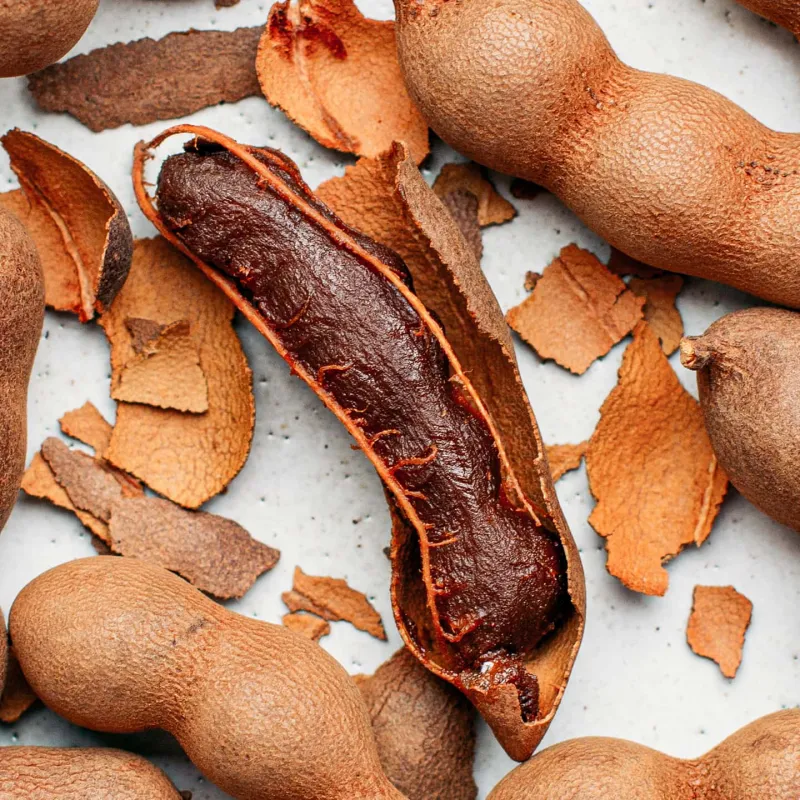
Photo: tamarind pulp kokum dried rinds amchur green mango powder Indian spices flat lay, via fullofplants.com
Most of us learn to read Indian food through heat. We ask how spicy, we clock the chile, we decide whether we can handle it. That is a useful start, but it misses half the story. Sourness is just as talkative. In regional Indian cooking, the sour note is often the thing that tells you where a dish comes from before the chile has said a word.
Tamarind, kokum, and amchur are not interchangeable tangy powders. Each has a personality, a texture, and a regional home. Learning to taste them separately is one of the fastest ways to stop thinking of Indian food as one long menu and start hearing the different kitchens inside it.
Sour Is a Coordinate, Not Just a Flavor
Think of sourness the way you think of smoke in barbecue. Smoke can come from hickory, oak, or mesquite, and each one leaves a different signature. Indian souring agents work the same way. Tamarind is dark, fruity, and bass-heavy. Kokum is bright, winey, and a little floral. Amchur is dry, sharp, and almost dusty in the best sense. Yogurt is cool and lactic. Lime is clean and loud.
None of these are merely a substitute for lemon juice. They change the body of a dish, the way it smells when it hits the table, and the way it feels on the tongue. A Goan fish plate soured with kokum is not the same experience as a south Indian sambar soured with tamarind, even if both are tangy. The sour agent is part of the address.
Tamarind: The Deep, Dark Bass Note
Tamarind is the souring agent most Americans already know, even if they do not know they know it. It is the dark pulp behind Worcestershire sauce, the sticky tang in many bottled chutneys, and the backbone of a lot of south Indian cooking. In the south, tamarind shows up in sambar, rasam, puliyogare, and countless vegetable preparations. It gives a rounded, almost dried-fruit sourness rather than a sharp citrus hit.
At the table, tamarind reads as depth. Dishes soured with tamarind tend to taste slower and more built, even when they are light. If you are ordering at an Indian restaurant in the US and the menu mentions tamarind, pay attention to what kind of dish it is attached to. Tamarind in a lentil soup points toward south India. Tamarind in a chutney might be a bridge to a snack or a chaat. Tamarind in a meat dish can signal a coastal or southern braise.
In the supermarket, you will usually find tamarind as a block of pulp with seeds, a seedless block, or a concentrate in a jar. The block has a more complex flavor; the concentrate is convenient but more one-note. Soak block tamarind in warm water, mash it, and strain it before using. If you are substituting in a recipe, start small. Tamarind can go from tangy to tannic fast.
Kokum: The Coastal Brightener
Kokum is the one that surprises people. It comes from a small purple fruit related to mangosteen, and it grows along the Konkan coast and in parts of western India. Dried kokum rinds look like dark, shriveled petals. They steep into dishes and lend a clean, winey sourness that is brighter than tamarind and less fruity than lime.
Along the coast, kokum often goes into fish curries, coconut-based stews, and simple dal. It is also used in sol kadhi, a pinkish coconut-milk drink that is cooling, faintly sour, and deeply associated with Goan and Konkan meals. If you see kokum on a menu in the US, it is a strong clue that the kitchen is leaning west coast. It is not a generic Indian sour note. It is a specific coastal habit.
Kokum is harder to find fresh in the US, but dried kokum rinds are available at Indian grocers and online. Some stores also sell kokum syrup, which is sweetened and meant for drinks rather than cooking. Do not swap the syrup into a curry unless you want dessert logic in your dinner. Dried rinds are the useful pantry version. Toast them briefly or steep them in hot liquid to pull out the color and tang.
Amchur: The Northern Dry Spark
Amchur is green mango powder, and it behaves like no other souring agent on this list. It is dry, powdery, and sharp, with a faint fruitiness that disappears quickly into the background. In northern Indian kitchens, amchur is often sprinkled into dry vegetable dishes, chaats, and lentil preparations. It is also common in marinades and in spice blends for snacks.
Because amchur is dry, it does not add the body that tamarind or yogurt adds. It adds a quick, bright edge. Think of it as a finishing sour rather than a simmering sour. That is why it shows up in dishes where you want tang without extra liquid. A potato dish with amchur tastes different from the same potatoes with lemon juice; the amchur is more integrated, less juicy, more savory.
In US supermarkets, amchur is often shelved with Indian spices rather than with acids. Buy small quantities and keep it sealed away from heat. It loses its punch over time. If you are using amchur as a substitute for lemon in a dry dish, use about half the amount you think you need and taste as you go. It can turn chalky if overused.
Yogurt and Lime: The Everyday Sour
Not every sour note needs a specialty ingredient. Yogurt and lime are everywhere in Indian cooking, and they carry their own regional meanings. Yogurt sourness is cool and lactic, common in northern marinades, raitas, and curries. Lime is sharper and more aromatic, often used as a finishing squeeze rather than a cooking acid.
At an Indian restaurant, a dish finished with lime usually wants you to notice the top note. A dish built on yogurt wants you to notice the body. A dish built on tamarind wants you to notice the simmer. These are different invitations. If you are ordering for a table, mix them. A kokum-soured fish dish next to a yogurt-based vegetable dish next to a lime-finished snack gives you a more interesting sour conversation than three tangy dishes that all hit the same register.
How to Order and Taste Like a Local
You do not need to memorize a map to use this. Start by asking one question when you look at a menu: what is making this dish sour? If the answer is tamarind, expect depth. If it is kokum, expect a coastal brightness. If it is amchur, expect a dry, savory spark. If it is yogurt, expect richness and a softer edge. If it is lime, expect a fresh finish.
Then taste before you reach for the salt shaker or the chile oil. Sourness often reads as intensity, and a dish that seems too loud may just need a bite of rice or bread to settle it. In US restaurants, menus sometimes use the word tangy as a catch-all. That is fine, but it is not very useful. Ask what kind of tangy. The answer will tell you a lot about the kitchen.
Substitutions That Do Not Flatten the Map
If you are cooking at home, substitutions are practical. Just do not pretend they are invisible. Tamarind concentrate can stand in for block tamarind in a pinch, but it will taste flatter. Lime juice can replace amchur in a dry dish, but it will add moisture and a different aroma. Lemon can replace kokum in a coconut stew, but it will not give you that winey, purple-edged coastal note.
The better move is to match the job. For a slow-simmered southern dish, use tamarind. For a coastal coconut curry, seek out dried kokum. For a dry northern snack or vegetable, reach for amchur. For a marinade or raita, use yogurt. For a finish, use lime. That is not gatekeeping. It is just better cooking.
Sourness is one of the most generous clues Indian food gives us. It does not require a heat tolerance or a spice collection. It only asks that we pay attention to which kind of sour is on the plate. Once you start tasting tamarind, kokum, and amchur as different places, the menu gets bigger, not smaller. And the next time you order, you will have a better question than how spicy is it. You will ask what is making it sour.