Name the Note Before the Heat: A Tasting Lexicon for Indian Spices
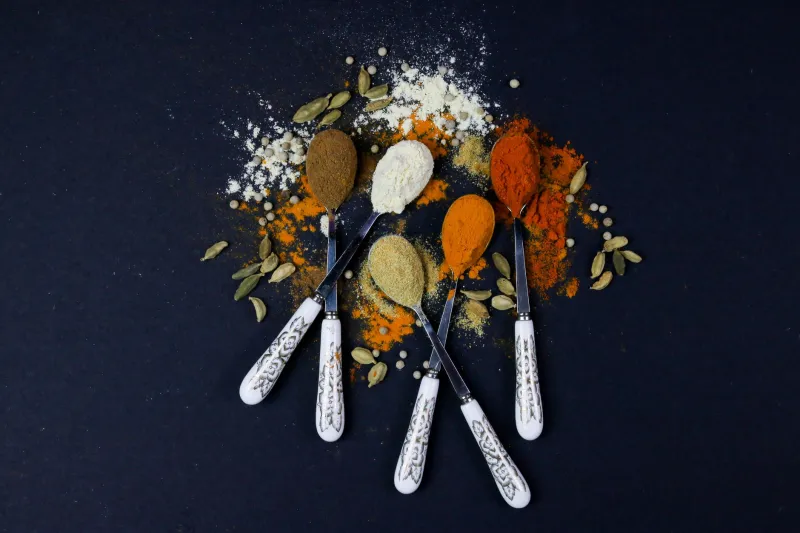
Indian food gets flattened into one question: how hot? That is like describing a song by its volume. Heat matters, sure, but it is only one dial on the board. The deeper pleasure comes from the notes underneath—the dusty warmth of cumin, the citrus lift of coriander, the savory punch of asafoetida, the perfume of cardamom. Once you have words for those notes, menus stop looking like a test and start looking like a map.
Heat Is Only One Dial
A green chile can bring brightness or blunt force. Black pepper can feel sharp and clean. Mustard seeds can pop with a wasabi-like jolt. But none of those tells you whether a dish will taste resinous, floral, nutty, or cooling. That is why the most useful question at an Indian restaurant is not always 'How spicy is it?' It is 'What spice leads this dish?'
You do not need a sommelier-style vocabulary to answer that for yourself. You need a small set of reliable adjectives and a little practice. Think of this as a field guide for your nose and tongue.
Six Words That Do Most of the Work
Start with the spices you are most likely to meet in a US Indian restaurant or in your own pantry. Each one has a signature, and each one changes when it hits heat.
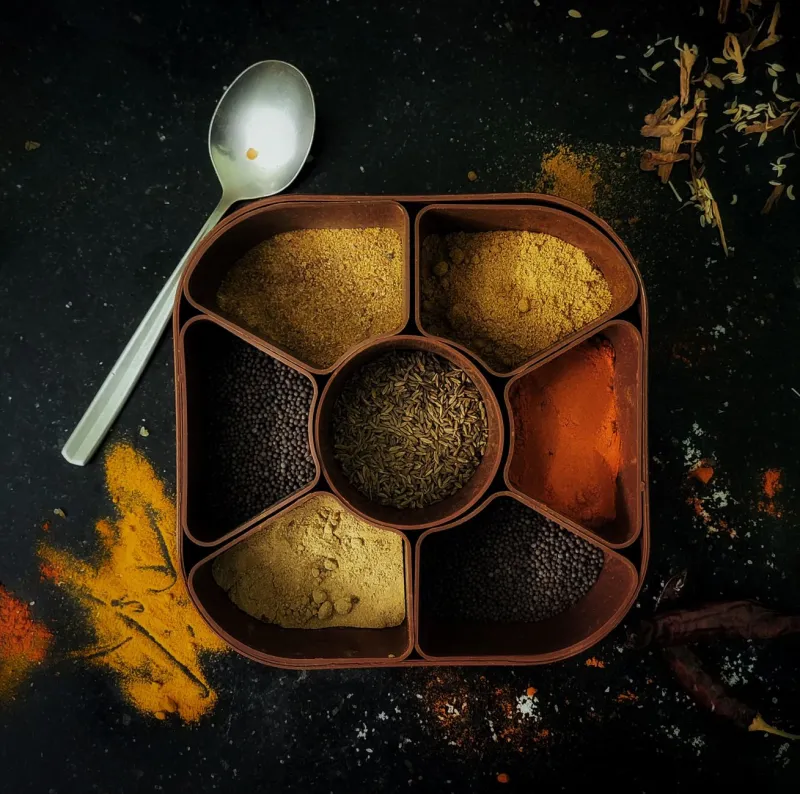
- Earthy. Cumin is the classic example: warm, dusty, slightly nutty, almost like toasted bread crust. Ground cumin smells bigger than whole seeds. Toasted cumin gets rounder and smokier. Cumin fried in ghee or oil turns deeper and more savory.
- Cooling. Coriander is the quiet partner to cumin. Ground coriander smells citrusy and a little green, like lemon zest crossed with dried orange peel. It can taste cooling even when the dish is hot. That is why it shows up in so many masalas—it balances rather than shouts.
- Resinous. Asafoetida, called hing, is the one that puzzles people first. It smells like garlic, onion, and old books had a meeting in a resin jar. Bloomed in hot fat, it turns savory and oniony without any actual onion. A tiny pinch can make a dal taste deeper.
- Floral. Green cardamom is perfumed, almost mentholated, with a hint of eucalyptus and citrus blossom. Black cardamom is different: smoky, camphor-like, and campfire-ish. Both are used carefully because a little goes a long way.
- Sweet-sharp. Cloves and black pepper bring a numbing, sweet heat that is not the same as chile heat. Clove is warm and medicinal in a good way. Black pepper is cleaner and more direct. Together they give garam masala its backbone.
- Bitter-maple. Fenugreek seeds smell like maple syrup and toasted cereal, but taste bitter if you overdo them. Mustard seeds, meanwhile, are nutty and sharp, especially when they pop in hot oil. These are the notes that make a tadka feel alive.
A Ten-Minute Tasting Exercise for Your Kitchen
You do not need a full spice wall. Grab small pinches of whole cumin, coriander seeds, green cardamom pods, black peppercorns, and a tiny pinch of asafoetida if you have it. Add plain yogurt or cooked white rice for tasting.
- Smell each spice whole and then crushed. Say the first word that comes to mind out loud. Do not overthink it.
- Taste a tiny amount with a spoonful of yogurt or rice. Notice where it lands: front of the tongue, back of the throat, or in the nose.
- Warm a tablespoon of oil or ghee in a small pan. Add one spice at a time and let it sizzle for a few seconds. Smell again. Cumin will turn nuttier. Coriander will get rounder. Asafoetida will smell savory instead of strange.
- Write down one word for raw and one word for bloomed. That is your personal vocabulary starting point.
This exercise is especially useful before you order takeout. If you know what toasted cumin smells like, you will recognize it in a dal or a vegetable dish. If you know the resinous hit of hing, you will notice when it is missing.
How Cooking Method Rewrites the Vocabulary
A spice is not a fixed flavor. Dry-roasting coriander makes it more citrusy and nutty. Frying it in oil makes it softer and more integrated. Simmering it in a sauce pulls it into the background. That is why two restaurants can make the same dish and taste completely different.
Regional cooking adds another layer. South Indian kitchens lean on mustard seeds, curry leaves, and dried red chiles, so the vocabulary tilts toward sharp, nutty, and aromatic. Bengali cooking often builds from panch phoron—a five-spice blend with fenugreek, nigella, cumin, mustard, and fennel—so you get bitter, sweet, and oniony notes in the same bite. Gujarati food frequently uses asafoetida and sugar together, which makes the resinous note feel softer and more rounded. None of this is random. Each region is solving for a different balance.
Restaurant Cues That Beat Mild, Medium, and Hot
When you look at a menu, scan for technique words. 'Tadka' means whole spices bloomed in hot fat, so expect a brighter, more aromatic top note. 'Bhuna' means the dish has been fried down, so the spices will taste deeper and more concentrated. 'Chettinad' points toward a pepper-heavy, South Indian masala with a sharper edge. 'Kadhai' usually means a wok-style dish with visible whole spices and a drier, punchier texture.
Ask your server what spice is most prominent. Ask whether the dish is built on cumin and coriander or whether it leans on mustard and curry leaf. Ask if the heat comes from fresh chile or dried red chile. These questions are not fussy. They are the difference between ordering blind and ordering with intent. At Darbar Indian Cuisine, a good server should be able to point you toward the aromatic center of a dish, not just its heat level.
A Pocket Glossary for the Table
- Masala: A spice blend or spice mix. It can be wet or dry, simple or complex.
- Tadka: Whole spices fried in hot fat and poured over or into a dish. Also called tempering.
- Bhuna: A cooking style where ingredients are fried down until the spices darken and concentrate.
- Hing: Asafoetida. Resinous, savory, and pungent before cooking; mellow and oniony after.
- Garam masala: A warming blend, often with cinnamon, cardamom, clove, and pepper. Usually added near the end of cooking.
- Achar: Indian pickle. Tangy, oily, and salty, used to wake up a meal.
- Curry leaf: Not actually a curry powder ingredient. It is a citrusy, aromatic leaf used in South Indian tempering.
- Dal: Lentils or split peas, often cooked with turmeric and finished with a tadka.
The Point Is Better Questions
You do not have to become a spice expert to eat well. You just need a few words that get you closer to what you actually taste. Earthy, cooling, resinous, floral, bitter, sharp—those are enough to start. The next time a dish lands in front of you, name one note before you name the heat. You might find that the food gets more interesting, and the menu gets a lot less intimidating.