Shahi, Nawabi, Darbari: The Menu Words That Promise a Slower, Richer Plate
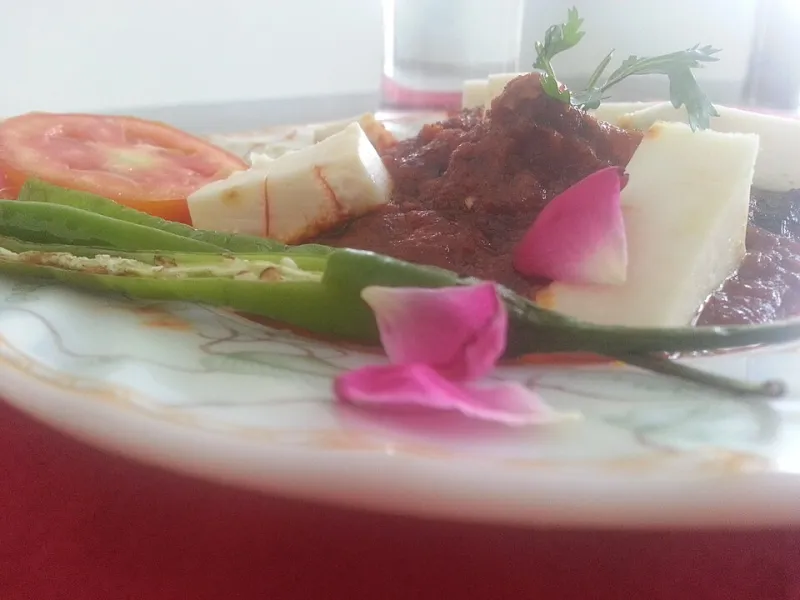
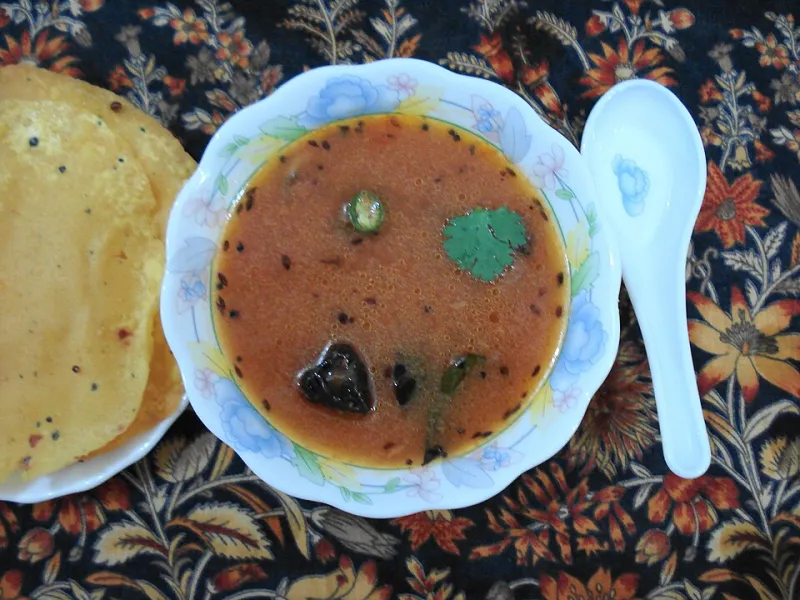
Photo: Khansabiha, CC BY-SA 4.0, via Wikimedia Commons
The Menu Word That Makes You Sit Up Straight
You are scanning an Indian menu in the US, trying to decide between a familiar dal and something with a name that sounds like it should be announced by a person in a velvet coat. Shahi paneer. Nawabi biryani. Darbari chicken. The words are doing a lot of work before the plate even arrives.
That is not an accident. In Indian restaurant menus, terms like shahi, nawabi, and darbari are little signposts. They point toward courtly kitchens, regional traditions, and a style of cooking that tends to be richer, slower, and more layered than the everyday fare next to it. They are not strict recipes. They are clues—and once you know what they are hinting at, ordering gets a lot more fun.
Shahi: Royal by Name, Flexible by Nature
Shahi comes from the Persian word for king. In Indian cooking, it usually means “royal” or “imperial,” and it shows up on dishes that feel a little dressed up: shahi paneer, shahi chicken, shahi tukda. The word traveled through Mughal and Persianate court culture, where food was part of the performance of power. Rich ingredients, delicate spice work, and generous use of nuts, cream, saffron, and ghee were all part of that language.
But shahi is not one fixed recipe. A shahi paneer in a US restaurant is often a tomato-and-onion gravy enriched with cashew paste, cream, and a gentle warm spice blend. It is usually milder in heat than it is deep in flavor. Shahi chicken might lean savory and nutty; shahi tukda is a dessert of fried bread soaked in sweetened milk. The common thread is not a specific chili level. It is a sense of richness and a slower, more layered build.
If you like creamy, nutty gravies and want the spice to be warm rather than sharp, shahi is a good word to follow.
Nawabi: A Regional Accent With a Rich Broth
Nawabi points to the nawabs—regional rulers and courtly patrons, especially in places like Awadh, with its capital at Lucknow, and Hyderabad. Awadhi cooking is famous for delicate perfumes, slow cooking, and a certain elegance: think biryanis, kebabs, and gravies that taste like they have been fussed over. Hyderabadi cooking brings its own boldness, with chilies, peanuts, sesame, and tangy yogurt in the mix.
On a menu, nawabi usually signals a dish with a richer, more complex base. You might see nawabi biryani, nawabi chicken, or a nawabi kofta. The name suggests a gravy that has been built in stages—perhaps with browned onions, yogurt, nut pastes, or whole spices—rather than quickly assembled. It often lands on the creamy side, but not always. The regional clue matters: nawabi can mean delicate and perfumed, or it can mean hearty and tangy, depending on which court tradition the kitchen is drawing from.
For a US diner, the practical takeaway is this: nawabi dishes are usually a good bet if you want something a little more elaborate than a standard curry, with a sauce that tastes like it has depth rather than just heat.
Darbari: The Court Is the Clue
Darbari comes from darbar, meaning court or royal assembly. It is a word that suggests refinement, hospitality, and food fit for a gathering of important people. In menu language, darbari often appears on dishes that are meant to feel special-occasion: darbari dal, darbari chicken, darbari vegetables. It is a little less standardized than shahi or nawabi, which means the kitchen is telling you something about style rather than handing you a history lesson.
A darbari dal, for example, might be a slow-simmered lentil dish finished with cream, butter, or a aromatic tempering of cumin and garlic. A darbari chicken might have a thick, glossy gravy with nuts and whole spices. The word does not guarantee a specific region, but it does usually promise a more polished, layered preparation. At Darbar Indian Cuisine, the name itself carries that same idea: a darbar is a court, and the table is where people gather.
What These Names Usually Signal on the Plate
Across all three words, a few patterns show up again and again:
- Richer gravies. Nut pastes, cream, yogurt, butter, or ghee are common. These dishes are not usually light and broth-like.
- Slower cooking. Courtly-style dishes often depend on long simmers, browned onions, and layered spice additions rather than a quick chili kick.
- Warm spice over raw heat. You may get cardamom, cinnamon, clove, mace, saffron, or fennel. The heat level can still be moderate to hot, but the emphasis is usually on aroma and depth.
- A sense of occasion. These names are often attached to dishes a kitchen wants you to notice. They are frequently the ones served with basmati rice, biryani, or a bread that can handle a thick sauce.
That does not mean every shahi or nawabi dish is heavy. Some kitchens use the words loosely. But if you are choosing between a plain dal and a darbari dal, or between a standard chicken curry and a nawabi chicken, the royal vocabulary is usually pointing you toward the more elaborate plate.
How to Order Them Without Guessing
You do not need to memorize court histories to use these words well. Ask two simple questions: Is the gravy creamy or tangy? And is the heat sharp or warm? A server can usually tell you whether the shahi paneer is cashew-rich and mild or tomato-forward and spiced. If you are ordering for a table with different heat tolerances, a nawabi or shahi dish is often a good shared centerpiece because the richness balances the spice.
Also pay attention to what the dish is paired with. A shahi or nawabi gravy tends to work best with plain basmati, jeera rice, or a flaky bread like paratha. If the menu offers a royal-sounding biryani, ask whether it is dum-cooked—sealed and slow-finished—because that technique is part of the point.
When the Name Is Just Marketing
Royal language sells. Some restaurants use shahi, nawabi, and darbari as mood words rather than precise descriptions. That is fine as long as you calibrate your expectations. If a dish sounds royal but the description mentions only tomato, onion, and cream, it may be a familiar curry with a fancy name. If it mentions nuts, saffron, whole spices, yogurt, or slow cooking, the name is probably doing real work.
A Practical Shortlist for Your Next Order
If you like mild, nutty, and creamy, start with a shahi dish. If you want something layered and regional with a bit more complexity, try a nawabi preparation. If you are in the mood for a special-occasion plate with a deep, glossy gravy, darbari is a good word to follow. And if you are ordering at Darbar Indian Cuisine, remember that the name on the menu is an invitation, not a rule. The best way to decode it is to ask, taste, and compare. That is how a courtly word becomes a useful clue instead of just a fancy label.