Noon-Proof: Packing Regional Indian Lunches That Still Taste Right at Your Desk
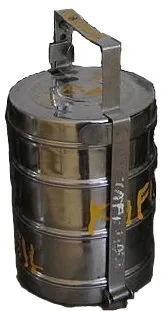
Photo: കാക്കര, CC BY-SA 3.0, via Wikimedia Commons
A lunchbox is not a dinner in miniature. Dinner can be saucy, fragile, and served the moment it is ready. A workday lunch has to survive a train seat, a crowded fridge, and the questionable wattage of an office microwave. By noon, texture matters as much as flavor.
That is the real challenge with Indian food at the office. The flavors usually hold up beautifully. It is the structure that needs planning. Rice turns gluey. Parathas go leathery. A watery sabzi releases a little puddle that finds every seam in the container. None of this means you should settle for a sad desk salad. It means you should pack with the clock in mind.
At Darbar Indian Cuisine, we think about regional Indian cooking as a set of practical kitchen habits, not just a menu. The lunchbox is one of the most practical places to put those habits to work.
Start With the Texture Clock
Think of every component in your lunch as having a texture clock. Crisp things start declining immediately. Fried things lose their snap. Breads dry out or steam themselves soft. Gravies thicken in the fridge and sometimes break when reheated too fast.
The solution is not to cook differently for lunch. It is to pack differently. Keep the wet away from the crisp. Keep the bread wrapped, not naked. Keep chutneys and pickles in their own tiny containers. And when a dish is supposed to be dry, let it be genuinely dry before it goes into the box.
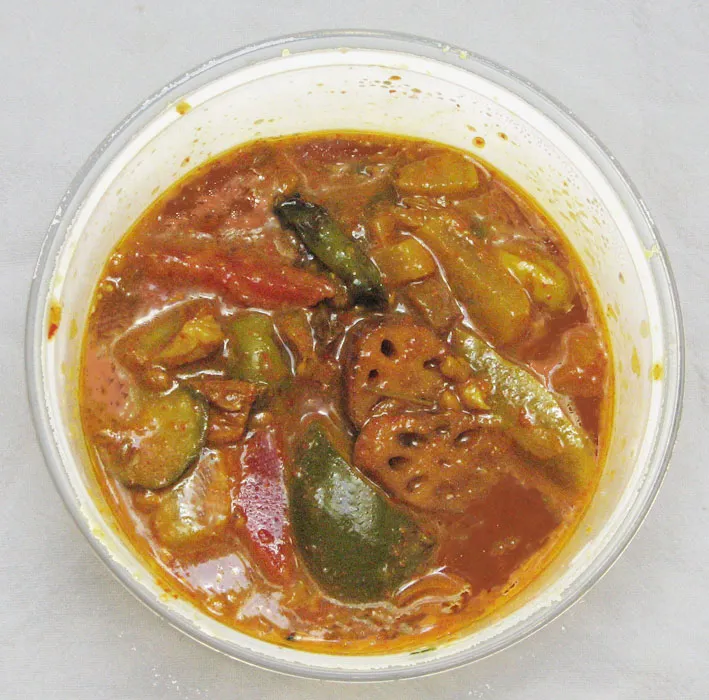
This is why a restaurant-style gravy with a lot of free liquid is a poor lunch candidate, while a thick dal or a well-cooked bean curry is excellent. The same rule applies to vegetables. A dry aloo gobi or green bean poriyal will be pleasant at noon. A watery zucchini sabzi will not.
The Regional Map, Packed
North Indian lunches travel well when you lean on legumes and sturdy breads. Rajma, chole, and thick dal makhani-style lentils all improve after a night in the fridge. Pack them with jeera rice or a paratha wrapped in foil. Add sliced onion, cucumber, and a lemon wedge in a separate compartment. A spoonful of achar goes a long way, but keep it isolated so its oil does not migrate.
South Indian lunches are natural lunchbox material. Lemon rice, tamarind rice, and coconut rice are built to sit. They are already cooked with fat and acid, which helps them stay separate instead of turning into a block. Pair them with a thick sambar or rasam packed separately, plus a dry poriyal of cabbage, carrots, or beans. Do not skip the crunch: a small packet of papad or roasted peanuts gives the meal a second act.
Western India offers some of the most commute-proof options. Thepla stays flexible for hours. Dhokla holds moisture without becoming soggy. A Gujarati-style dal is thick enough to scoop with bread rather than chase around the container. If you pack a khaman or dhokla, keep the green chutney on the side and add it at your desk.
Eastern Indian lunches need a little more care because fish and mustard oil can be assertive in a shared office. That does not rule them out. A dry aloo posto, a thick cholar dal, or a simple vegetable chop can travel well. If you bring fish curry, pack it in a well-sealed container and consider whether your office has a scent-sensitive lunchroom. That is not a flavor judgment. It is basic shared-space courtesy.
A Packing Formula That Travels
Use a simple four-part formula: base, body, bright, and crunch.
The base is rice or bread. The body is the dal, bean, or sabzi that does the heavy lifting. The bright is a pickle, chutney, lemon wedge, or quick onion salad. The crunch is something fresh or crisp added at the last minute.
A typical box might be jeera rice, rajma, a spoonful of achar, and cucumber sticks. Another might be thepla, thick moong dal, carrot pickle, and roasted peanuts. A third could be lemon rice, a dry bean poriyal, coconut chutney, and papad. The formula works because it separates textures and gives you a way to rebuild the meal at your desk instead of hoping it survived intact.
Use containers with tight lids and, if possible, removable compartments. Silicone cups are cheap and useful. A small glass jar for chutney is better than a flimsy plastic cup that pops open in a bag. If you are packing for a commute, put the whole lunch in a sturdy bag that stays upright. This sounds obvious until a container of sambar has tipped over inside a tote.
The Soggy Sabzi Problem
Salt is the villain in most lunchbox vegetables. It draws water out of the vegetables, and that water has nowhere to go. The fix is simple: salt less before packing, and add the finishing salt at lunch. Cook watery vegetables like zucchini and cabbage with a little more fat and heat so they release moisture in the pan, not in the container. Sturdy vegetables such as cauliflower, green beans, carrots, potatoes, and okra are safer bets.
For gravies, thicker is better. Let the dal or curry cool slightly before sealing the lid. Do not pack hot food into a cold container and close it immediately; the trapped steam will condense and make everything wet. If you are reheating rice, sprinkle a teaspoon of water over it and cover it loosely. Short bursts are better than a long blast. Breads need only a few seconds, or they turn tough.
Reheating in a Shared Kitchen
Office microwaves are unpredictable. Start with thirty-second intervals and stir between them. Vent the lid. Do not microwave a sealed container unless you enjoy cleaning the inside of a microwave. Keep pickles, chutneys, and salads out of the microwave entirely. If you bring a paratha, reheat it briefly or let it come to room temperature; a damp paper towel can help, but do not drown it.
The goal is not to recreate a restaurant plate. It is to bring a regional Indian lunch to your desk that still has contrast: something soft, something bright, something crunchy, and something that tastes like it was cooked on purpose. That is a lunch worth looking forward to at noon.