The Heat You Actually Want: Ordering Indian Food Beyond Mild, Medium, and Hot
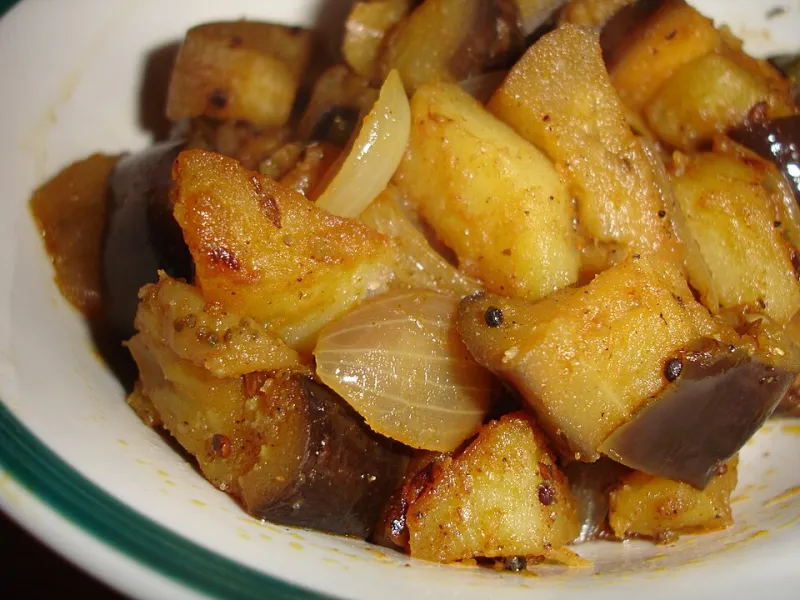
Photo: rovingI, CC BY 2.0, via Wikimedia Commons
Somewhere along the way, Indian restaurants in the United States agreed to a three-word vocabulary: mild, medium, hot. It is efficient. It is also a terrible way to talk about Indian food. Heat is not a single dial, and flavor is not a consolation prize for people who cannot take chile. If you have ever ordered medium and gotten something bland, or ordered hot and gotten a wall of fire with no personality, the problem is not your tolerance. The problem is the script.
This is a manifesto for better ordering. Not for bravado. Not for chasing the hottest dish in the room. For asking clearly, eating adventurously, and getting the food you actually want.
The Problem With One-Word Heat
Mild at one Indian restaurant may mean no chile at all. At another, it may mean a gentle green chile in the dal. Medium might be a comfortable warmth in a Bengali fish curry or a serious pepper punch in a Chettinad chicken. Hot might mean dried red chile, fresh green chile, black pepper, or a combination of all three. The words do not describe the source, the style, or the build of the heat.
That matters because Indian heat is regional. Kashmiri chile is prized for color and a soft, fruity warmth. Chettinad cooking uses black pepper in a way that feels sharp and layered rather than simply fiery. Goan food often balances chile with tangy tamarind, vinegar, or kokum. Andhra cooking can bring a direct, bright chile heat that is not trying to be subtle. These are not points on the same line. They are different dialects.
Heat Is a Regional Dialect
Kashmiri Warmth: More Color Than Fire
Kashmiri chile is the one to know if you love deep red color but not a burning finish. It shows up in rogan josh and other Kashmiri dishes, where it gives a warm, almost sweet glow. If you want flavor-forward food with low heat, say that. Do not just say mild. Ask for Kashmiri-style warmth, and make clear that you want the color and aroma without a chile sting.
Chettinad Pepper: A Different Kind of Hot
Chettinad cooking from Tamil Nadu leans on black pepper, along with fennel, star anise, and other warm spices. The heat is sharp and building, not the same as a fresh green chile. If you like pepper, say so. A restaurant that makes a real Chettinad curry can adjust the pepper level more intelligently if you tell them you want black pepper heat rather than generic hot sauce heat.
Goan Tang: Heat With a Citrus Edge
Goan curries often bring chile together with tamarind, vinegar, or coconut. The result is a tangy, layered heat that wakes up the palate. If you order a Goan fish curry and ask only for medium, you may get the heat without the point. Ask for the tang. Say you want the sourness and the chile to both show up. That is a more useful request than a number on a scale.
What 'Mild' Should Mean
Mild should not mean boring. It should mean low chile heat with full spice flavor. Cumin, coriander, turmeric, cardamom, cinnamon, mustard seed, curry leaf, ginger, and garlic can all do serious work without setting your mouth on fire. If you want mild, ask for mild with full flavor. Then name a dish you have enjoyed before, or ask what the kitchen recommends for someone who wants aroma over burn.
Do not apologize for it. A guest who orders mild on purpose is easier to cook for than a guest who orders medium and then sends it back. The goal is not to prove something. The goal is to enjoy the meal.
A Practical Ordering Script
Use specific words. Try one of these the next time you order:
- 'I want low chile heat but full spice flavor. What would you recommend?'
- 'I like black pepper heat more than fresh green chile heat. Is there a dish that shows that?'
- 'I want medium heat with extra chile on the side so I can adjust it myself.'
- 'I love tangy curries. Which dish has the most tamarind or vinegar?'
- 'I am okay with Chettinad-level pepper, but not Andhra-level chile. Where does this dish sit?'
- 'Can you tell me whether the heat comes from dried red chile, fresh green chile, or black pepper?'
That last question is the most powerful one. Once you know the source, you can describe what you like. Maybe you love the fruity warmth of Kashmiri chile but not the raw bite of green chile. Maybe you want the tang of Goan food with only a little heat. Maybe you are ready for Chettinad pepper but not for a full Andhra spread. None of that fits neatly into mild, medium, or hot.
Try One Step Bolder
If you are used to ordering mild, try one dish at medium next time, but ask for the chile on the side. If you always order medium, try a pepper-forward Chettinad dish or a Goan curry with real tang. If you order hot for the challenge, try ordering for flavor instead. Ask what the kitchen is proud of. Ask what the region does best. The point is not to survive the meal. The point is to taste it.
Indian food in the US has moved far beyond a single generic curry house menu, and diners deserve a vocabulary that matches. Mild, medium, and hot can stay as training wheels. But once you know the regional dialects of heat, you can order like someone who knows what they want. And that is a much better way to eat.